
Playroom Architect has issued guidance for parents evaluating indoor climbing equipment for toddlers as federal regulators advance work toward a voluntary safety standard for freestanding indoor climbers used by children aged 6 to 24 months. The U.S. Consumer Product Safety Commission documents an ASTM F15.09 task-group meeting scheduled for October 1, 2026, concerning these products, following earlier sessions including one held September 10.
Separately, the CPSC issued a consumer warning on August 13, 2026, advising households to stop using and dispose of Model WPX-4 indoor and outdoor slide playsets. The agency reported that openings in the product could trap a child's head or neck and cited one fatal entrapment involving a 17-month-old child. These two developments are independently documented, and no established connection links the reported incident to the standards-development effort.
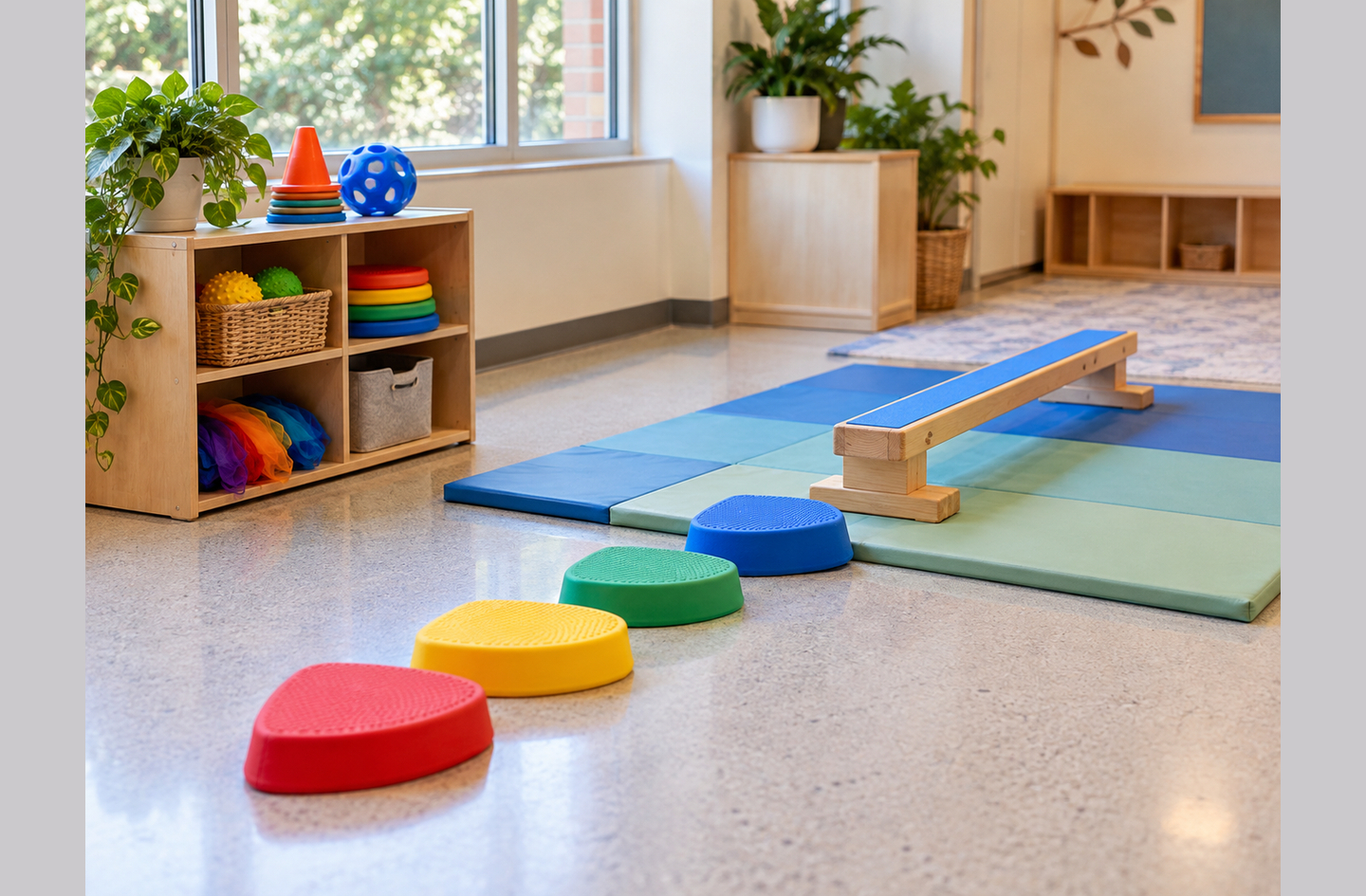
Against this backdrop, Playroom Architect has drawn on its existing resources to help caregivers assess climbing products before placing them in a child's play area. The company's engineering-informed method prioritizes room layout first and product selection second. According to the company, many purchasing decisions overlook factors beyond height, appearance and floor space, including equipment stability, openings where a child could become trapped, age suitability, nearby hard surfaces and supervision requirements.
The Playroom Architect Indoor Active-Play Zones Guide addresses equipment stability, floor space, clearances, cushioning and age calibration as connected planning decisions rather than isolated purchases. It notes that a freestanding climbing activity appropriate for one developmental stage may not suit a younger child, and it advises parents to consult manufacturer age and weight specifications rather than treating all toddler climbers as interchangeable.
"Parents often start with the product and work backward, but the room and the risk assessment should come first," said Oded Feigin, a spokesperson of Playroom Architect. "Cushioning can address some fall-impact risks, yet a mat cannot correct unstable equipment, a hazardous opening or a defective component. Those are different categories of concern."
The company's engineering background informs how it frames these developments for caregivers. Its broader resource library distinguishes equipment design hazards from environmental hazards and outlines when independent product-safety information or professional evaluation becomes necessary. The company emphasizes that room planning has limits and cannot substitute for sound product selection or adherence to manufacturer specifications.
Among those resources, the Playroom Architect Guide to Active Play for 1–2-Year-Olds reflects the World Health Organization recommendation that children aged 1 to 2 engage in at least 180 minutes of varied physical activity spread throughout each day, with floor-based movement as the primary mode. The guide walks caregivers through measuring and clearing a floor zone, selecting and layering a play surface, and choosing height-appropriate movement equipment.
"Before any product goes into use, caregivers should review relevant CPSC warnings and recalls, confirm product identification, follow inspection and supervision instructions, and check stability information," Feigin said. "When a product has been recalled or specifically warned against, the appropriate response is to follow the agency's directions rather than attempt an improvised repair."
A companion resource, the Playroom Architect Indoor Movement Guide for 2-Year-Olds, outlines a step-by-step process for mapping floor area, layering an impact-absorbing surface and spacing stations to reduce collisions. It also lists common mistakes, including choosing equipment before measuring floor space, scaling equipment for future growth and leaving hard-cornered furniture at zone edges.
Playroom Architect provides guidance and resources that help parents design indoor play spaces for children. Founded by Oded Feigin, whose background spans engineering, production and residential construction, the company applies an engineering-first approach focused on structural safety, functionality and developmental fit. Its resources include organized topic hubs covering layout, safety, developmental zoning and storage logic, along with product reviews and comparisons.
###
For more information about Playroom Architect, contact the company here:
Playroom Architect
Oded Feigin
info@playroomarchitect.com
144-42 Jewel Avenue
Flushing, NY 11367
United States