Transplant patients, physicians, and caregivers from four hospitals celebrate UTAH Cardiac Transplant Program's 40th Anniversary
Salt Lake City, UT (PRUnderground) August 26th, 2026
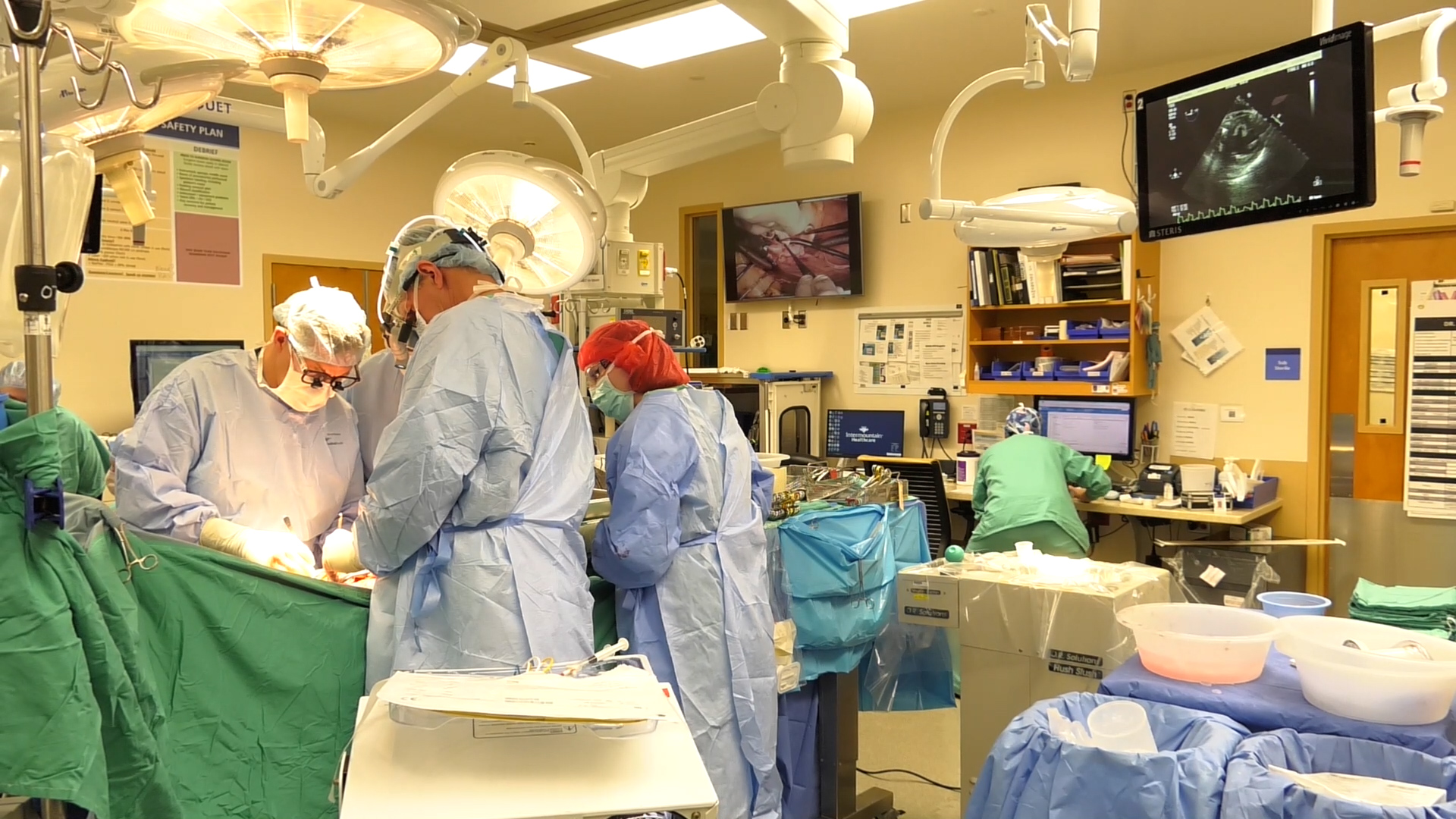
Patients from four hospitals whose lives have been renewed through heart transplantation celebrated the 40th anniversary of the UTAH Cardiac Transplant Program on Tuesday with their physicians, nurses, and caregivers.
The milestone event commemorated 40 years of collaboration, innovation, and life-saving care made possible through a unique cooperative partnership among heart transplant teams at Utah's four heart transplant hospitals: Intermountain Medical Center, Intermountain Primary Children's Hospital, University of Utah Health, and the George E. Wahlen VA Medical Center.
Since performing the program's first heart transplant in March 1985, the UTAH (Utah Transplantation Affiliated Hospitals) Cardiac Transplant Program has performed 2,074 life-saving heart transplants, providing hope and a second chance at life to thousands of patients and families throughout Utah and across the nation.
It's one of the most unique and successful programs of its kind in the United States.
Rather than competing, the four hospitals work together to share expertise, resources, research, and clinical talent with a singular focus on improving outcomes for adult, pediatric, and veteran patients with advanced heart failure and those in need of a heart transplant.
As the only heart transplant program in the Mountain West, the UTAH Cardiac Transplant Program has become nationally recognized not only for its clinical excellence, but also for its uncommon model of cooperation among four independent health institutions.
"For 40 years, this consortium has represented something truly special: the power of collaboration," Rami Alharethi, MD, medical director of the Heart Transplant Program at Intermountain Medical Center in Murray. "These four institutions, each bringing unique strengths, expertise, and commitment, came together around a common purpose - to provide state of art care for patients with advanced heart failure across the Mountain West and throughout the United States. This collaboration has been the foundation of our success."
The consortium's collaborative model is unlike most transplant programs in the United States. Physicians, surgeons, advanced practice providers, nurses, researchers, and support staff from the four member hospitals work together to evaluate patients, develop treatment plans, conduct research, and provide coordinated care before and after transplantation.
This partnership allows patients to benefit from the collective expertise of some of the nation's leading heart failure and transplant specialists while maintaining access to care within their own health system.
By pooling resources and knowledge, the program can offer highly specialized services, accelerate the adoption of new treatments, and ensure patients receive the best available care regardless of where they enter the system.
"Four decades ago, the UTAH Cardiac Program was founded on the idea that collaboration could transform advanced heart care," said Josef Stehlik, MD, medical director of the Heart Transplant Program at University of Utah Health. "Today, that spirit of innovation drives groundbreaking research in heart transplantation, mechanical circulatory support, and heart recovery that helps patients far beyond our state borders. Families travel to us from across the Mountain West and the nation because the transplant breakthroughs made in our labs and clinics directly translate into longer, healthier lives."
For many transplant recipients, the 40th anniversary of the consortium serves as a reminder of the precious gift of time.
"Every transplant represents more than a medical procedure," said Ashwin Lal, MD, a pediatric transplant surgeon for University of Utah Health/Intermountain Primary Children's Hospital. "Each transplant represents more birthdays celebrated, milestones reached, families kept together, and futures made possible through the generosity of organ donors and the dedication of multidisciplinary care teams through the UTAH Cardiac Transplant Program."
Over the past four decades, the UTAH Cardiac Transplant Program has helped establish Utah as a global leader in heart transplantation and advanced heart failure care. Its physicians have pioneered innovations in transplant medicine, mechanical circulatory support, and heart failure treatment, improving care not only for patients in Utah but for patients around the world.
"We're just one of six VA facilities in the nation that provide heart transplants, and we are honored to serve veterans through our partnership in the UTAH Cardiac Transplant Program," said Stavros G. Drakos, MD, co-chief of Heart Failure & Heart Transplant at the George E. Wahlen VA Medical Center in Salt Lake City. "This collaboration has touched the lives of veterans from across the country, ensuring they receive the combined skill, dedication, and resources of all four medical teams and helps us fulfill VA's mission to care for those who have served our nation's military."
As the program enters its fifth decade, clinicians remain committed to expanding access to advanced heart failure therapies, advancing research and innovation, and strengthening the collaborative model that has defined the program since its inception in 1985.
NOTE: Video and images available upon request.
About Intermountain Health
Headquartered in Utah with locations in six states and additional operations across the western U.S., Intermountain Health is a nonprofit system of 34 hospitals, approximately 400 clinics, medical groups with some 4,600 employed physicians and advanced care providers, a nonprofit health plan called Select Health with more than one million members, and other health services. Helping people live the healthiest lives possible, Intermountain is committed to improving community health and is widely recognized as a leader in transforming healthcare by using evidence-based best practices to consistently deliver high-quality outcomes at sustainable costs. For up-to-date information and announcements, please see the Intermountain Health newsroom at https://news.intermountainhealth.org/. For more information, see intermountainhealth.org/ or call 801-442-2000.