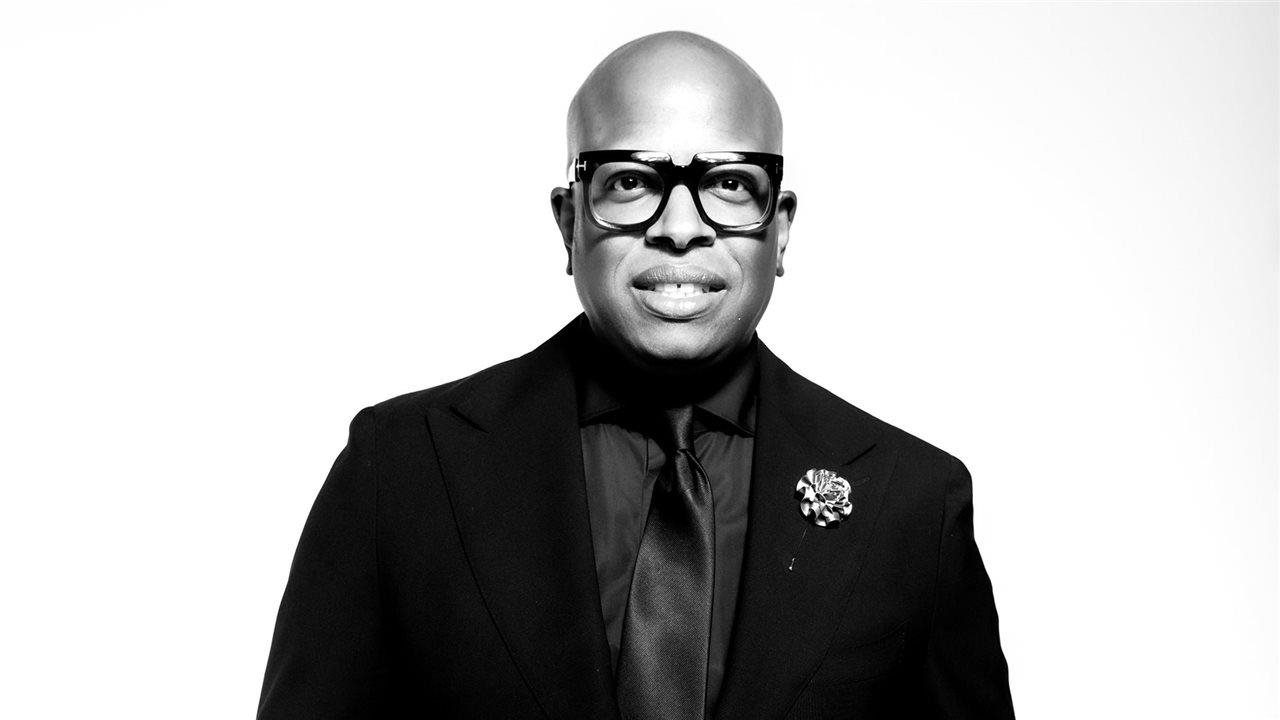
(BPT) - Arron Johnson, of Union, New Jersey, was a teenager when alopecia areata began changing how he saw himself and moved through the world.
Thirty years later, 18-year-old Liam Simmons, of Waxhaw, North Carolina, is preparing for college with the same autoimmune disease.
They are two Black men from different generations, connected by an experience that reaches far beyond visible hair loss.
For Johnson, it began with a trip to the barber. He came home and noticed a bald spot, initially thinking his barber had clipped him. But the hair loss continued. What he couldn't see was what was happening beneath the surface.
Alopecia areata is an autoimmune disease in which the immune system attacks hair follicles. Approximately 700,000 Americans have some form of the disease, according to a 2020 study published in Clinical, Cosmetic and Investigational Dermatology. For Johnson, it progressed to alopecia universalis, resulting in the loss of all his hair.
The impact went much deeper than appearance.
"I didn't like who I saw in the mirror," Johnson says. "Everyone in my family looked a certain way, and I was the person who looked different."
He began hiding beneath hats and du-rags, missing weddings, staying out of pools and pulling back from parties.
Years later, Johnson realized during his commute to work that he had forgotten his du-rag. He could turn around or keep going.
"I had a choice to return and go back to hiding, or I had a choice to live authentically as myself," he says. "I chose to live authentically regardless of the insecurities I faced."
Today, Johnson is an author, coach, father and advocate passionate about increasing representation of Black men living with alopecia areata.
Simmons' experience is different.
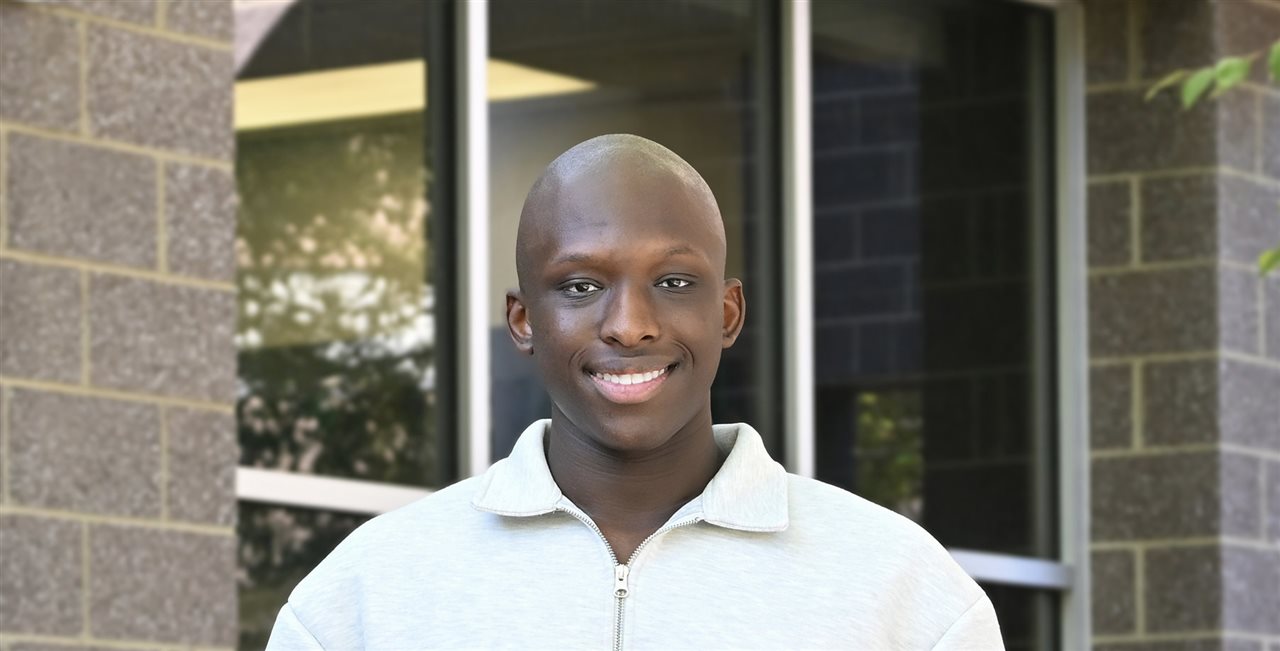
Diagnosed at age 2, alopecia has been part of his life for almost as long as he can remember. As a teenager, he became more aware of comments, stares and the ways hair could shape belonging.
"As a Black man, hair is such a big part of identity," Simmons says. A lifelong basketball player, he sometimes feels disconnected when friends, teammates and his brothers talk about hairstyles. "It's something I want to be part of."
Now Simmons is preparing to study political science in college, with plans to pursue law. Starting over socially on a large campus brings a new challenge.
"There's a part of me that's analyzing everybody and trying to figure out who's looking at me and who's not," he says.
Their experiences show why alopecia areata should not be dismissed as cosmetic. Hair loss may be its most visible sign, but the disease can affect identity, confidence, relationships, school, work and daily life.
Their stories are part of Beyond the Mirror, a National Alopecia Areata Foundation® (NAAF®) campaign bringing together lived experience and scientific evidence to reveal the full burden of alopecia areata.
"Beyond the Mirror to me is about looking at yourself and not just seeing your physical appearance, but seeing the relationships and the past experiences and all these key defining moments that make you who you are," Simmons says.
Johnson can now look back at the teenager who once hid from the world. Simmons, at 18, is looking forward.
The road ahead will be his own. But he is beginning it in a world where people like Johnson have chosen to be visible, speak openly and make the path a little less lonely for whoever comes next.
Learn more at naaf.org/beyond-the-mirror and join the conversation using #MoreThanHairLoss.